
Dining in Paris
Paris invented the modern restaurant in 1782 and remains a top food destination.
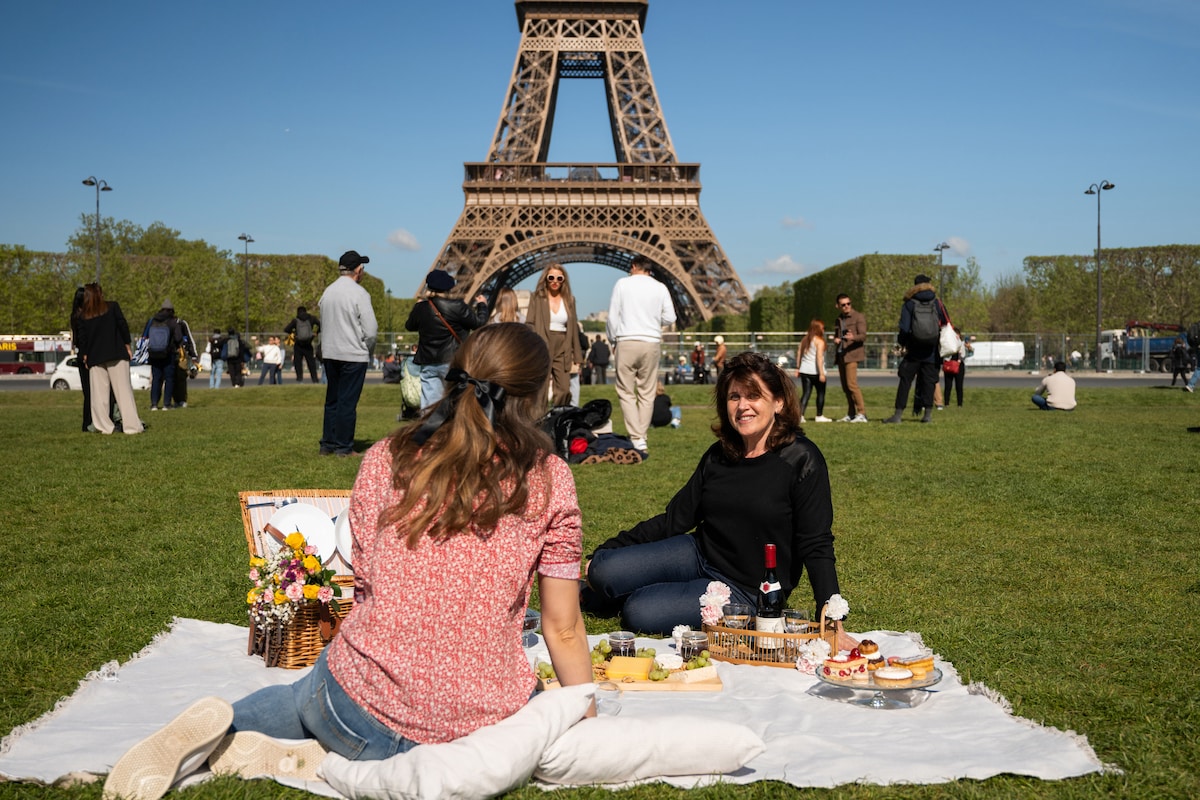
Restaurant experiences under $100
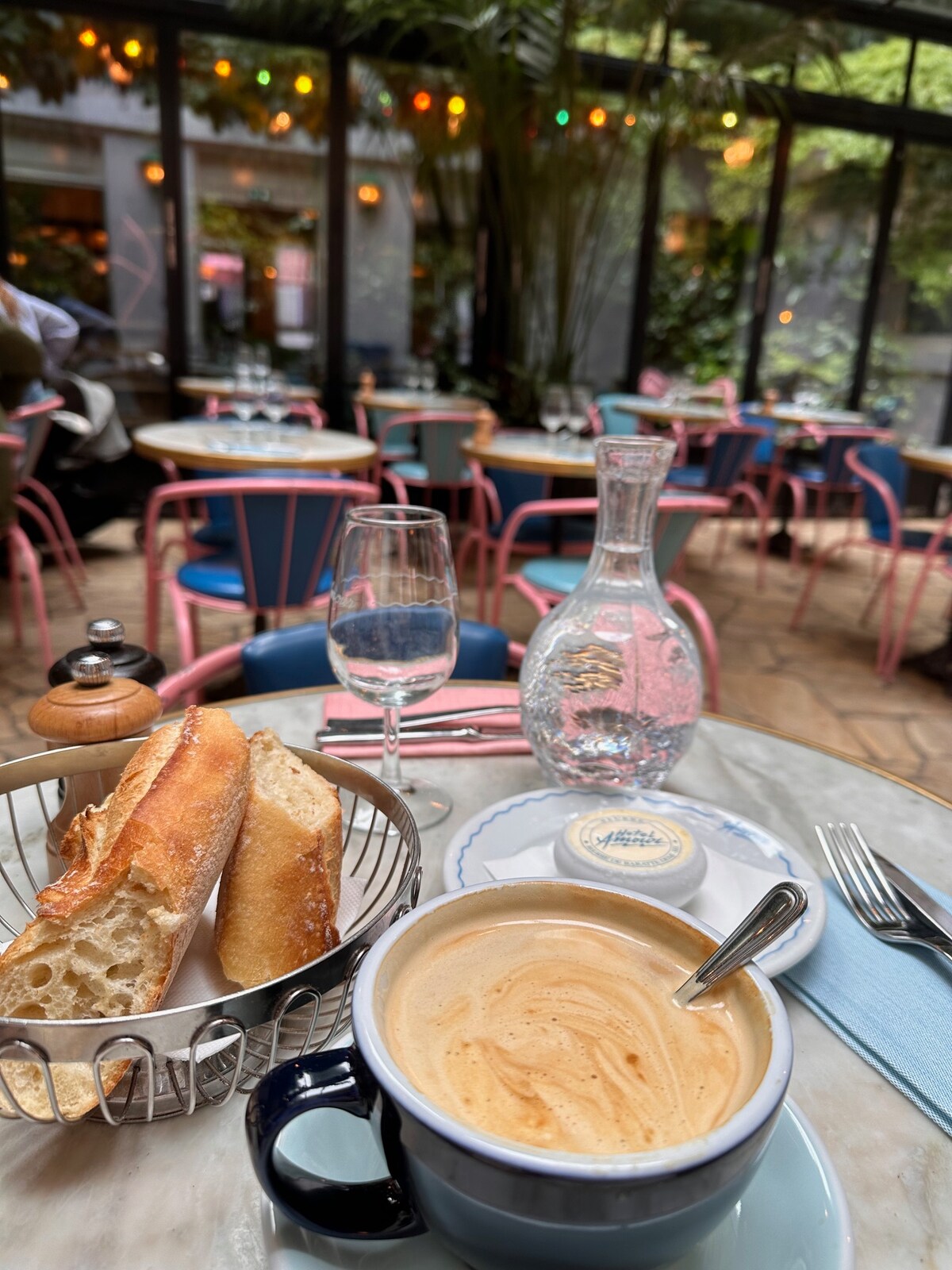
Enjoy bistro lunches and market tastings without breaking the bank.
1 з 1 стор.
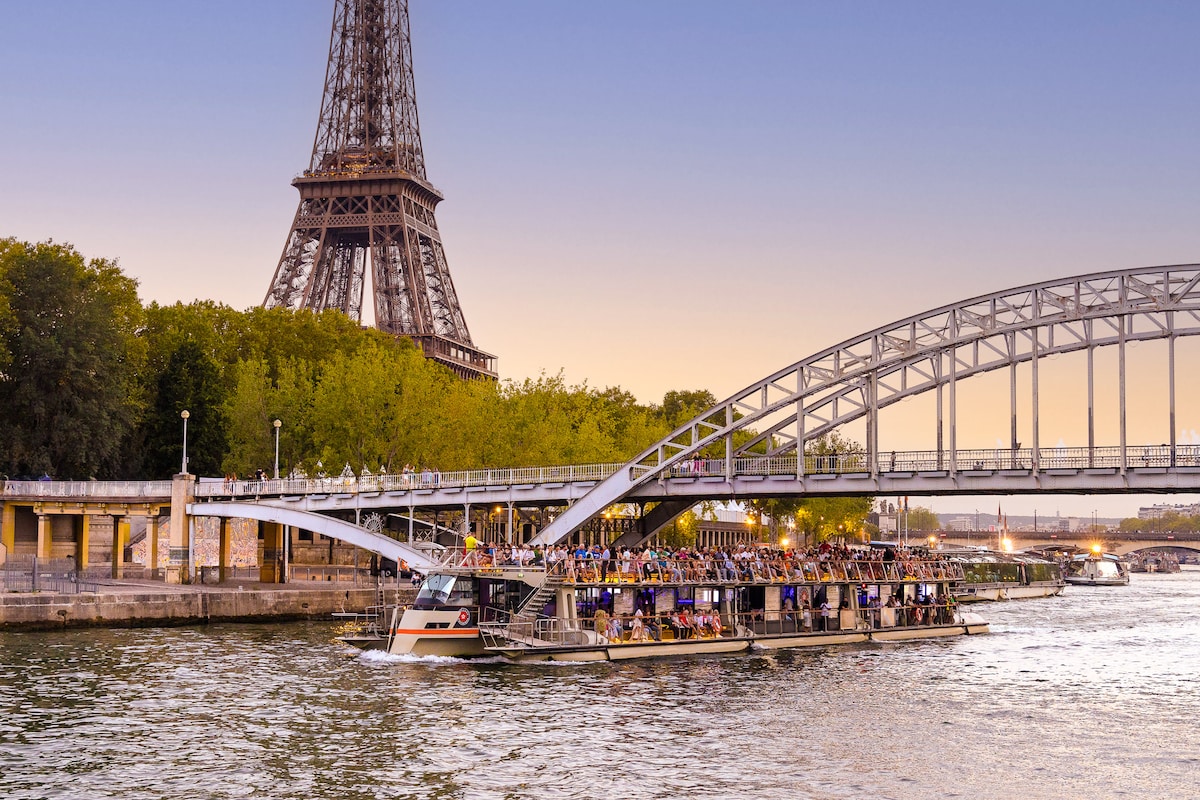
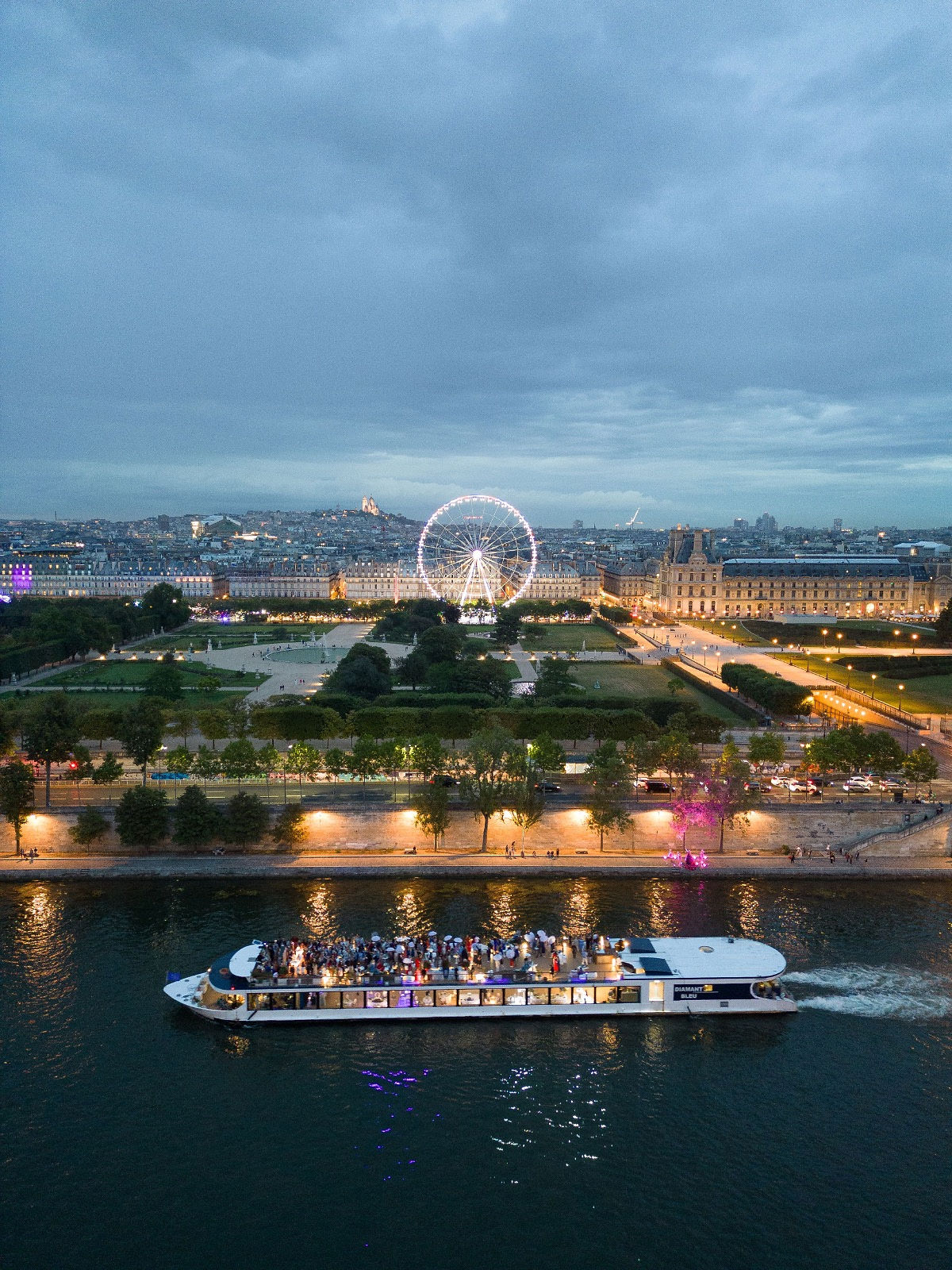
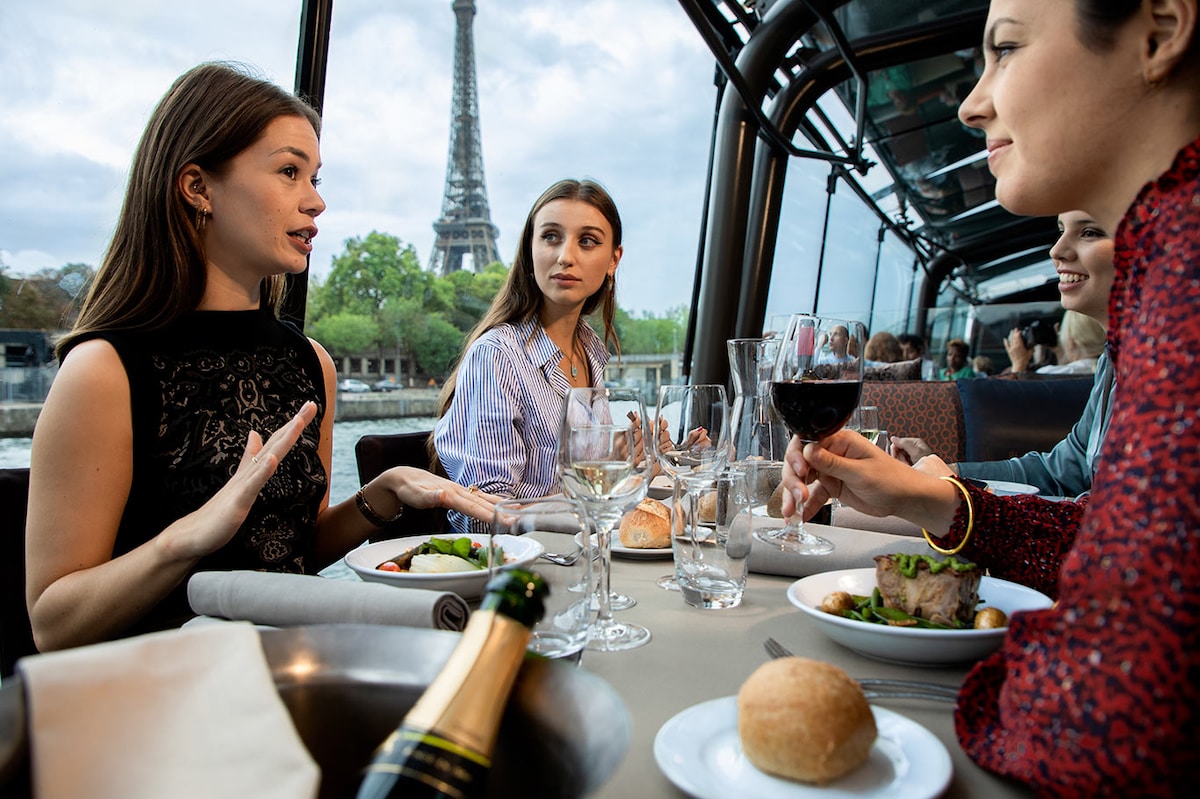
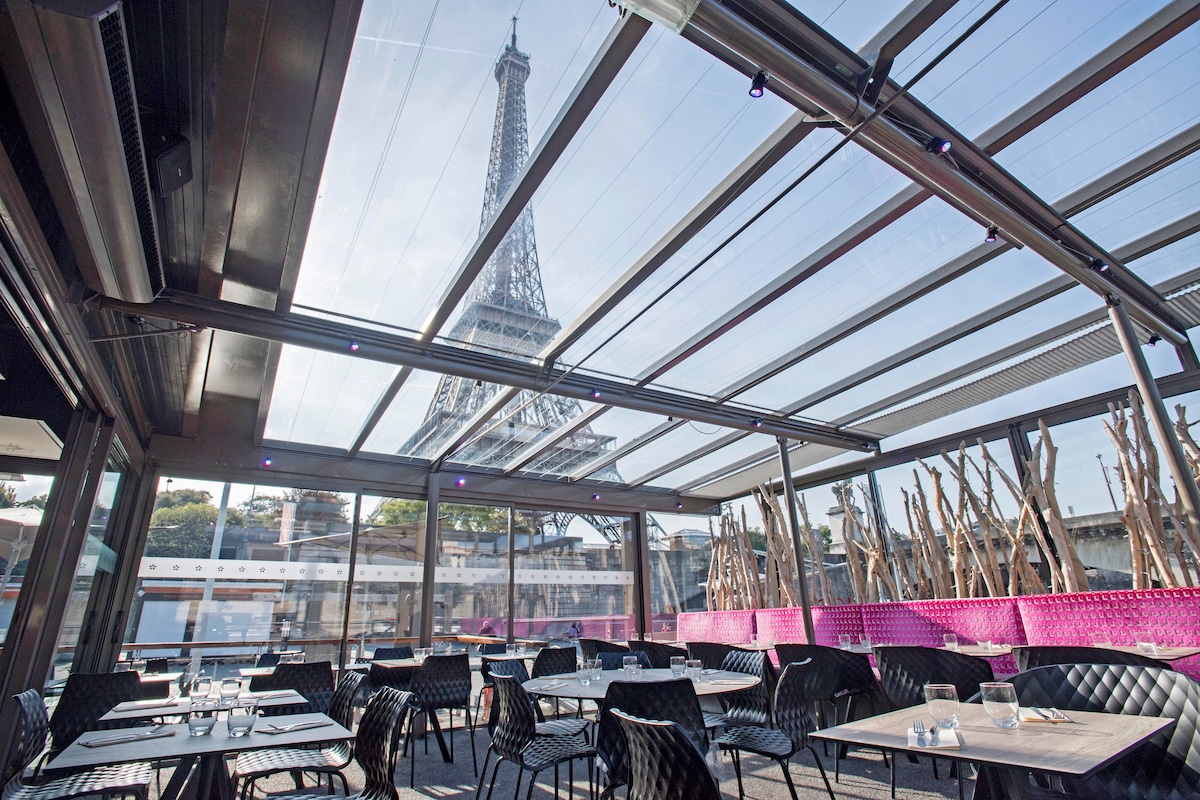
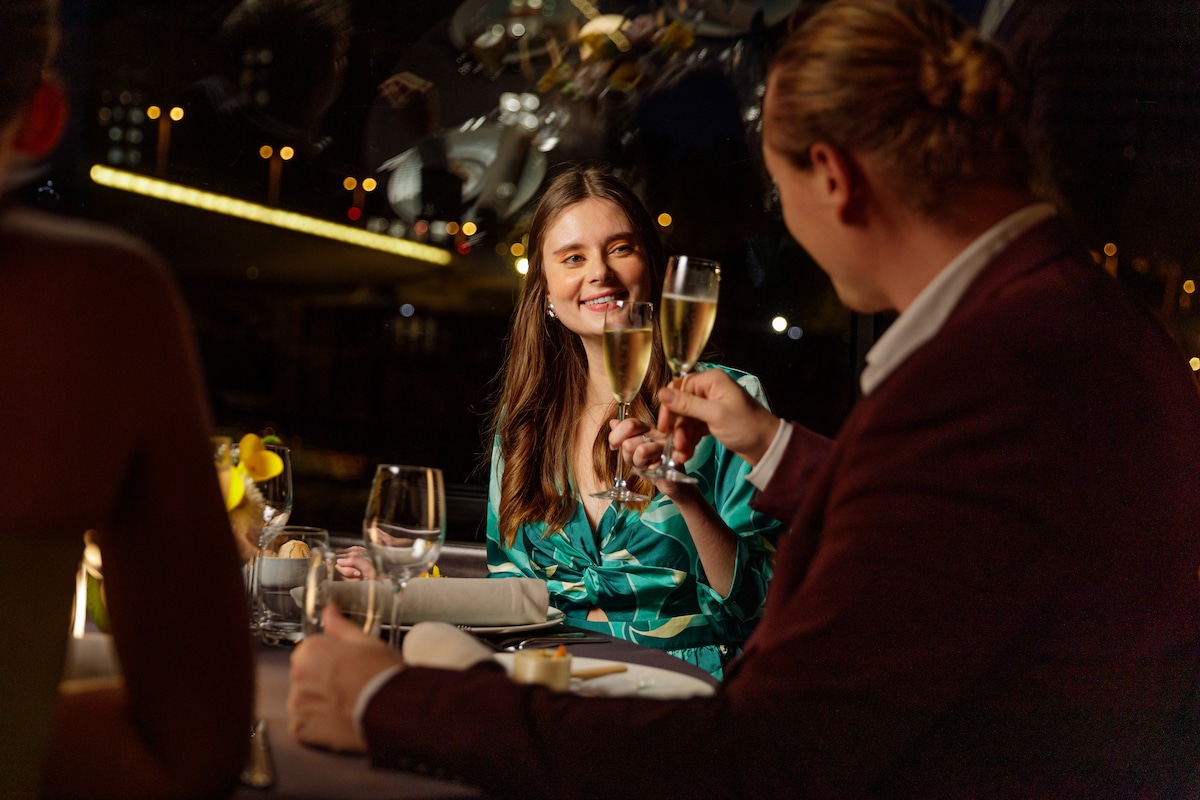
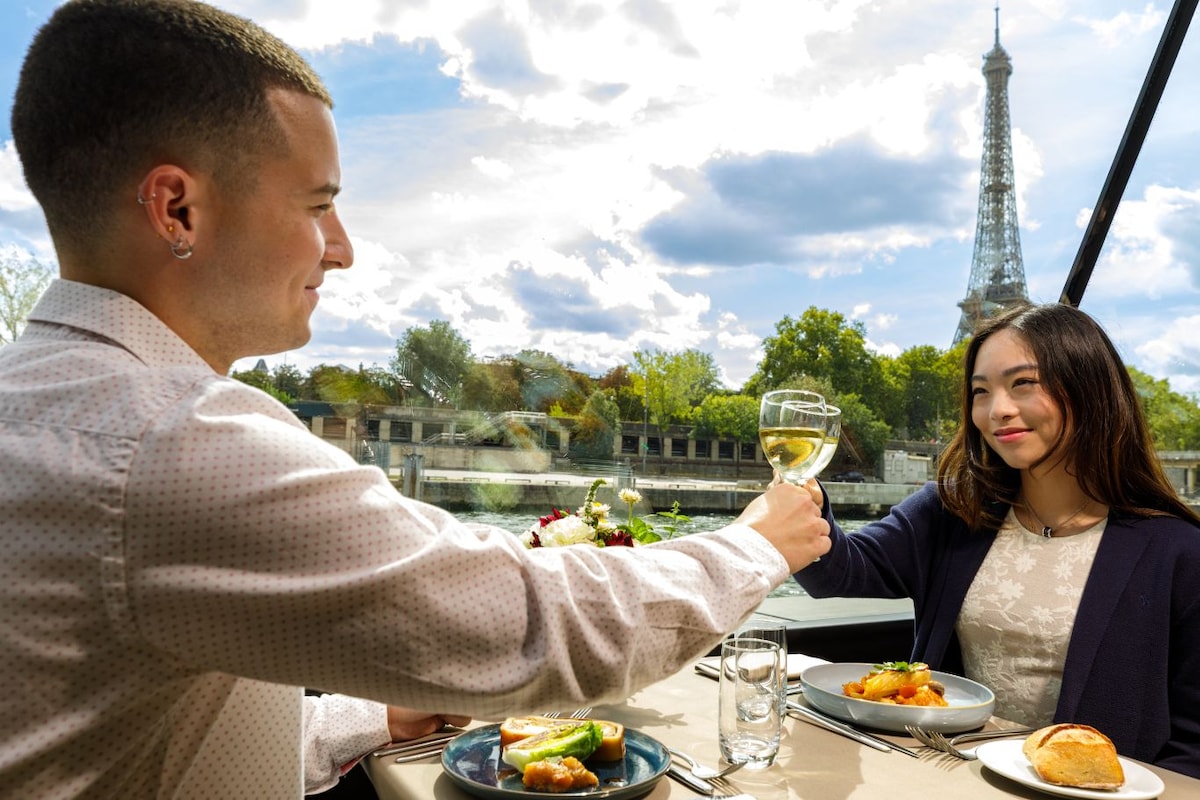
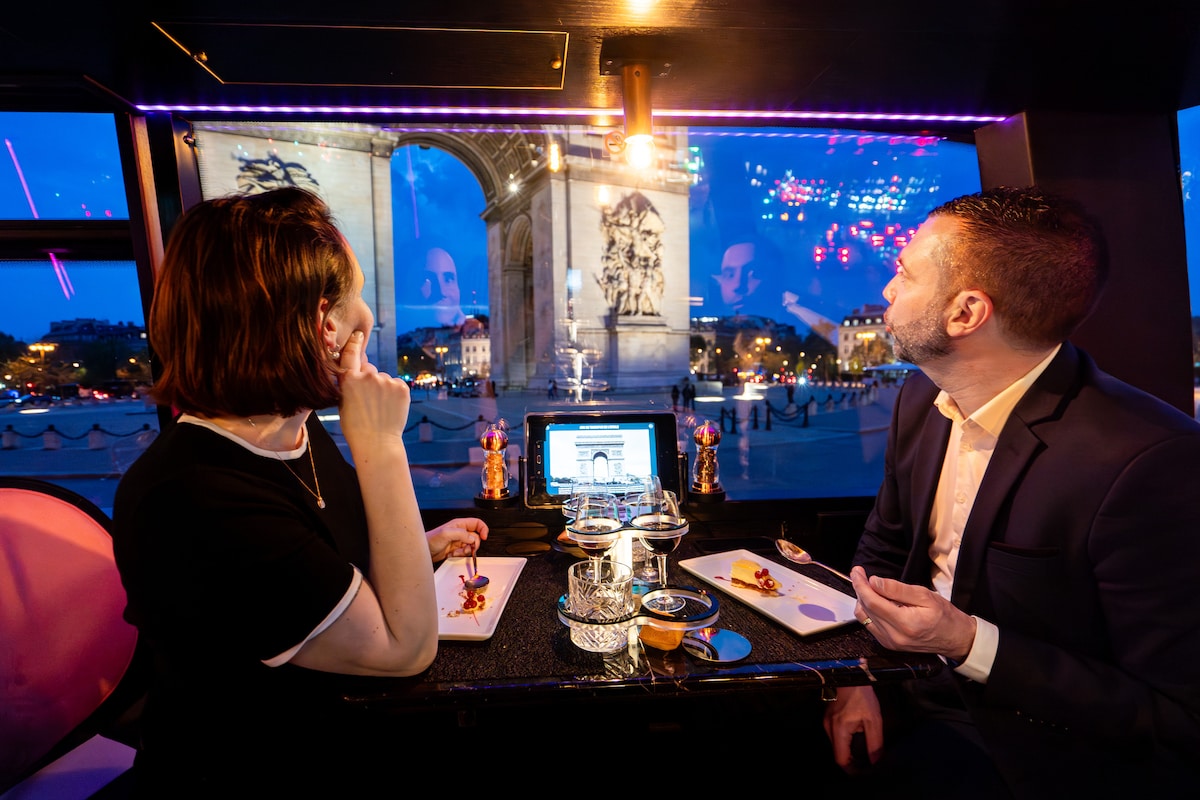
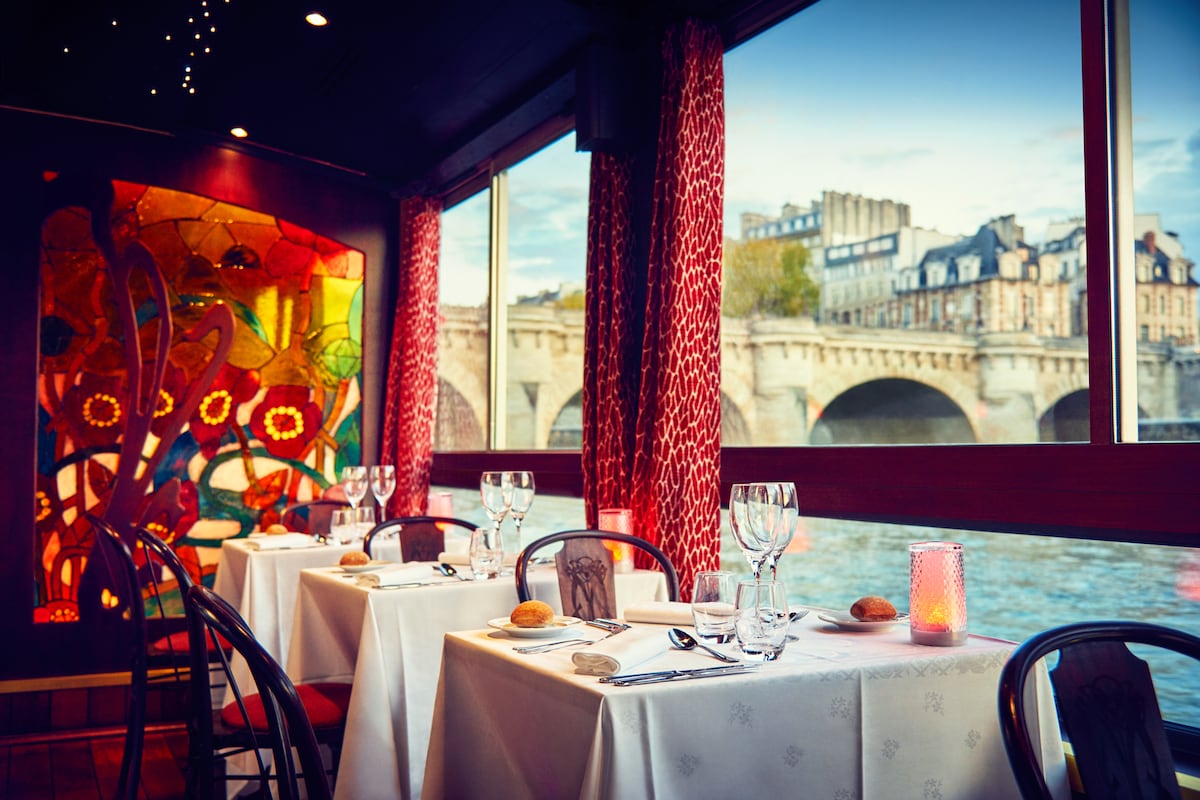
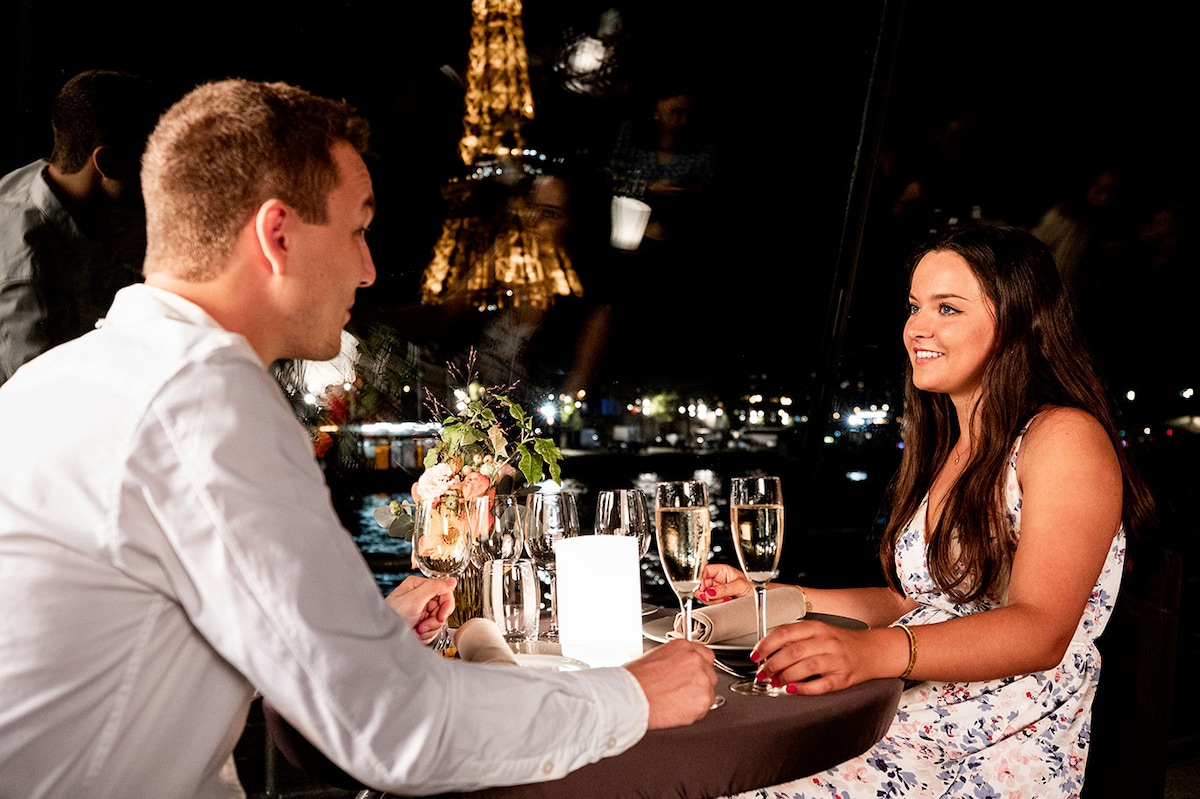
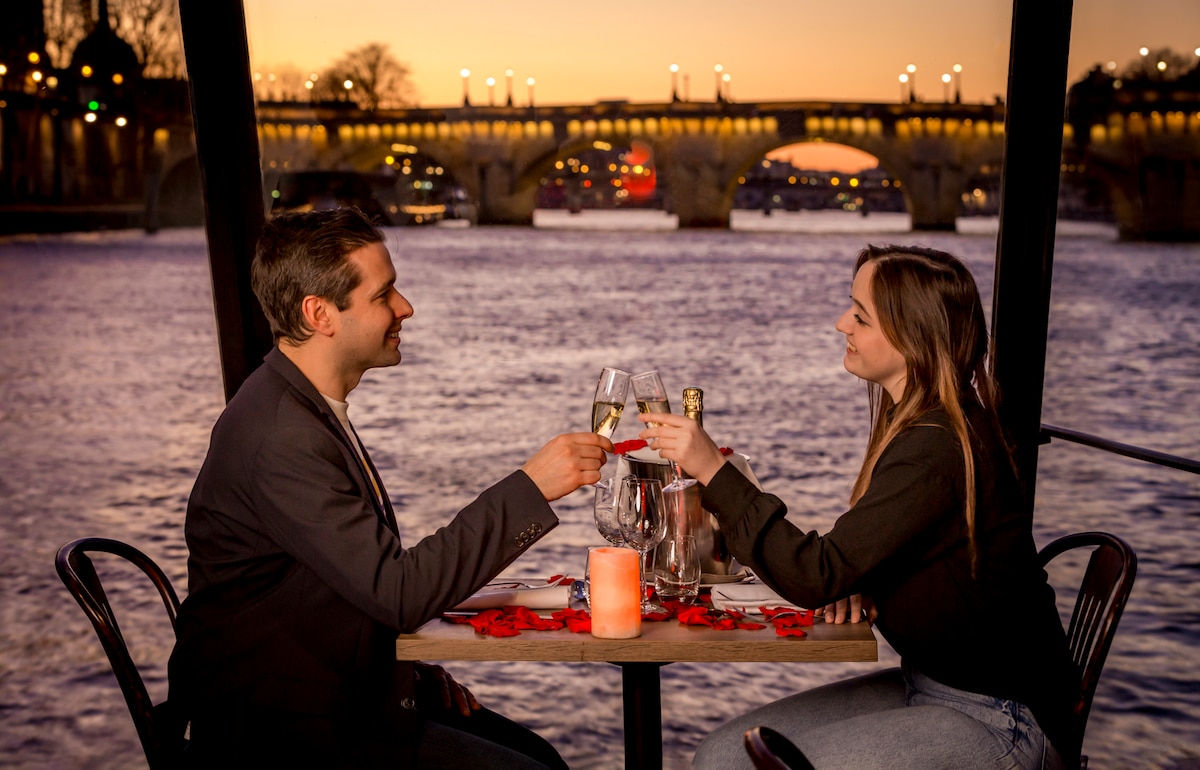
Dining experiences for couples
Book a wine tasting or candlelit dinner for two.
1 з 1 стор.
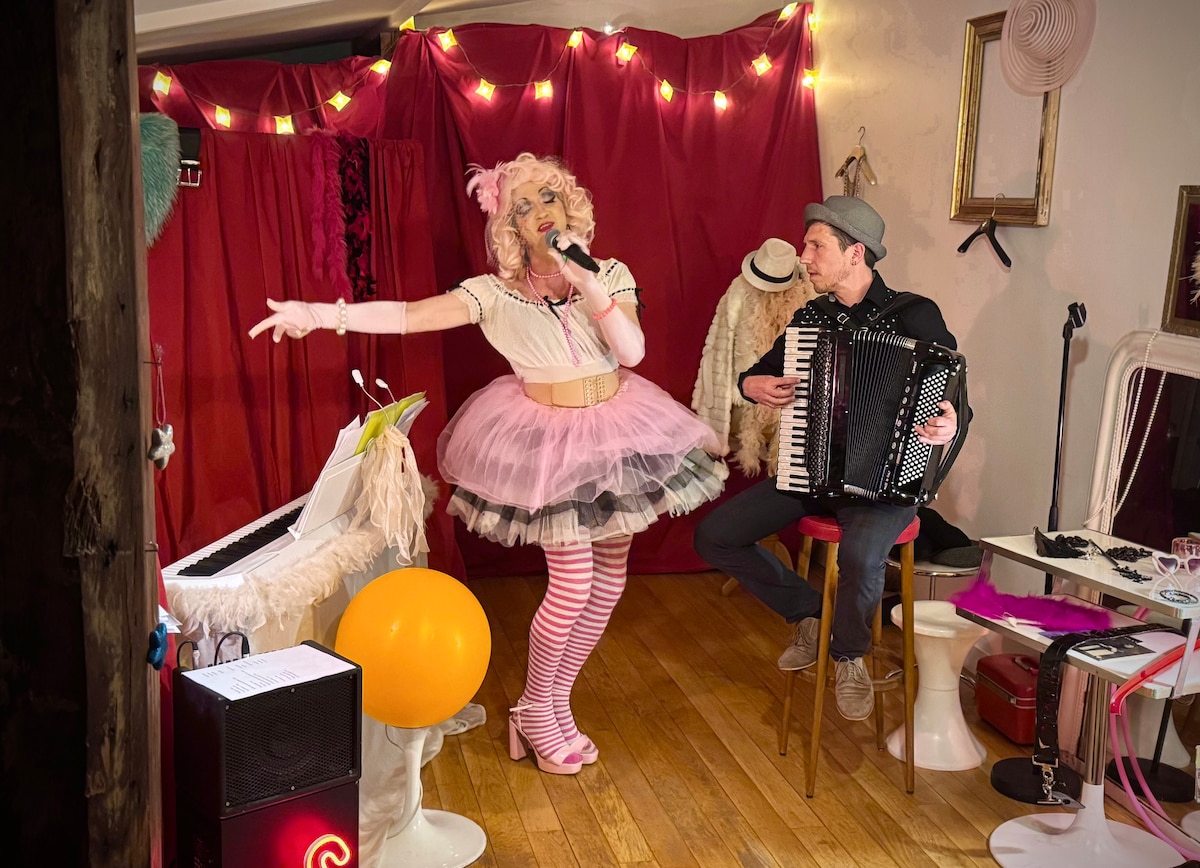


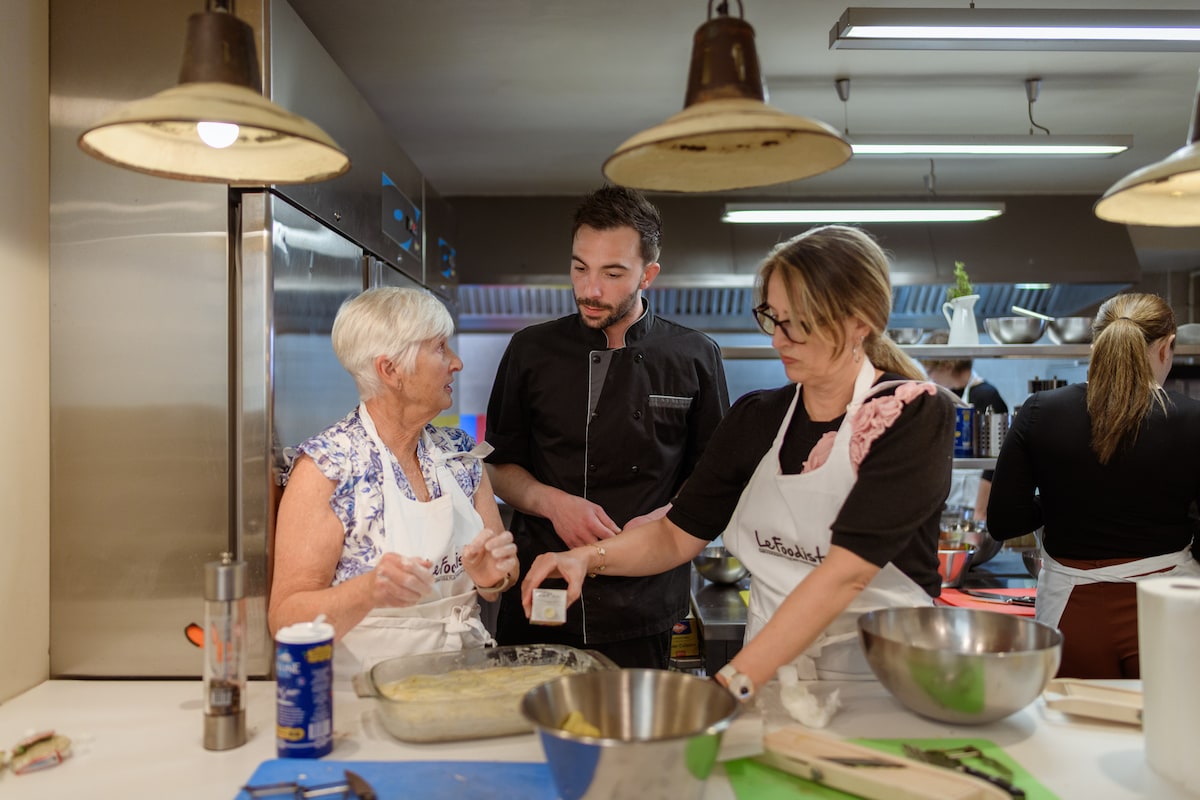
Private group dining experiences
Reserve a private table or cooking class for your group.
1 з 1 стор.
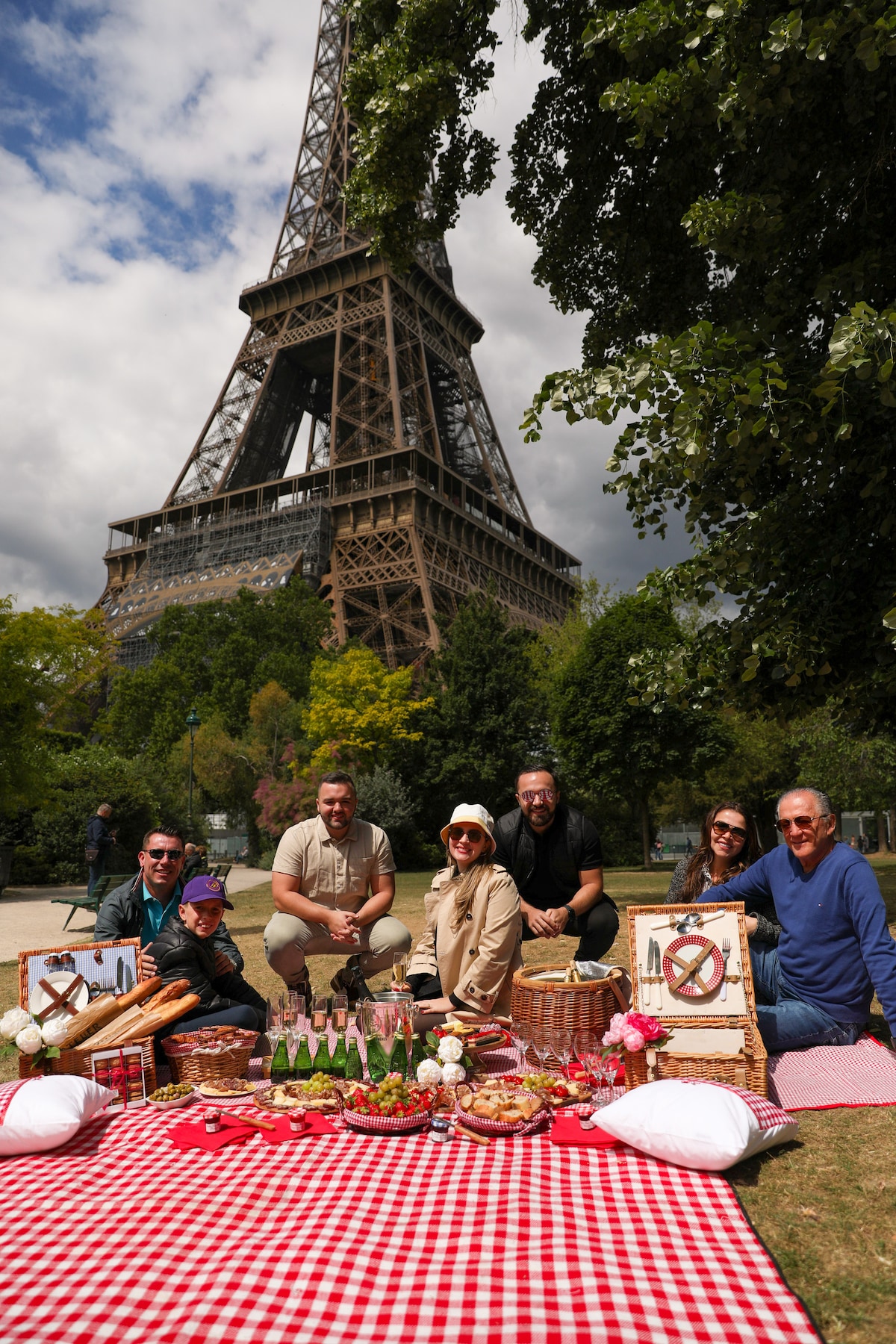
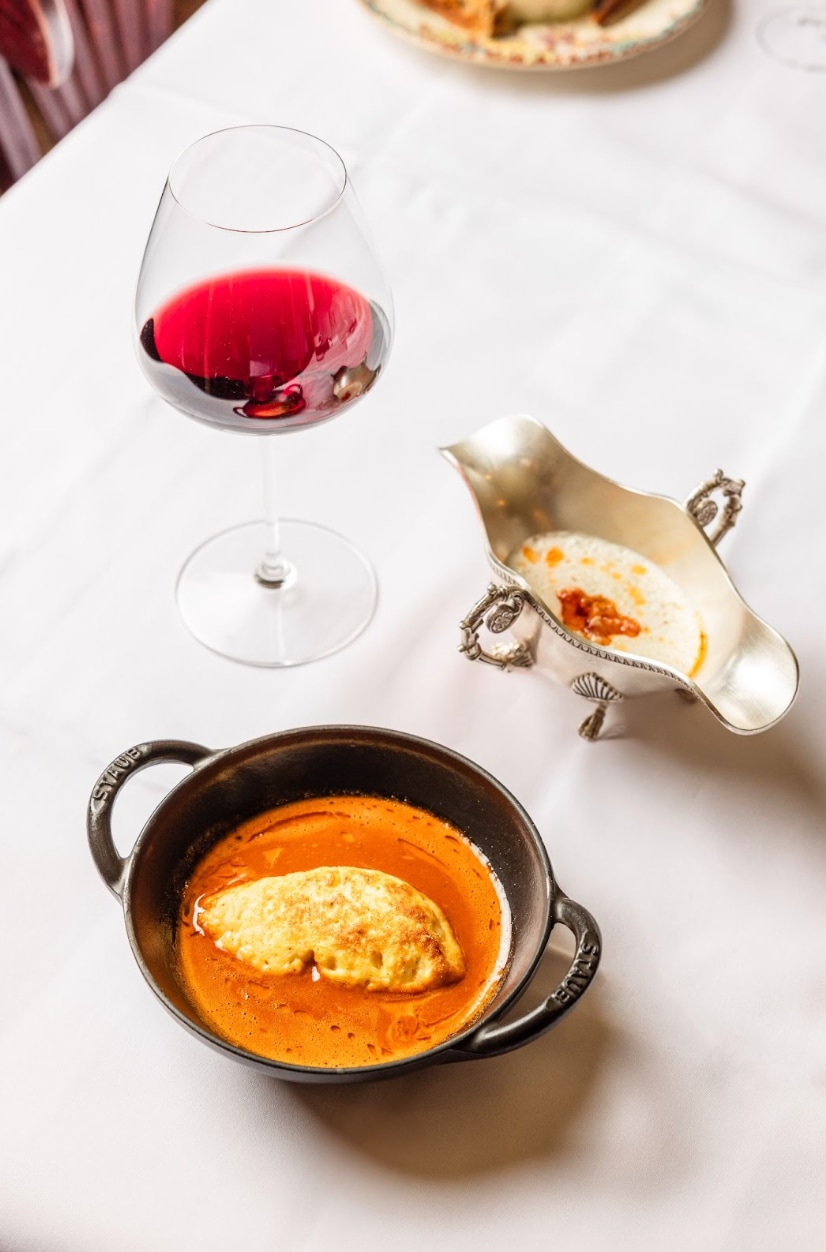
Other popular restaurant experiences
Book the dining experiences Paris travelers love most.
1 з 1 стор.
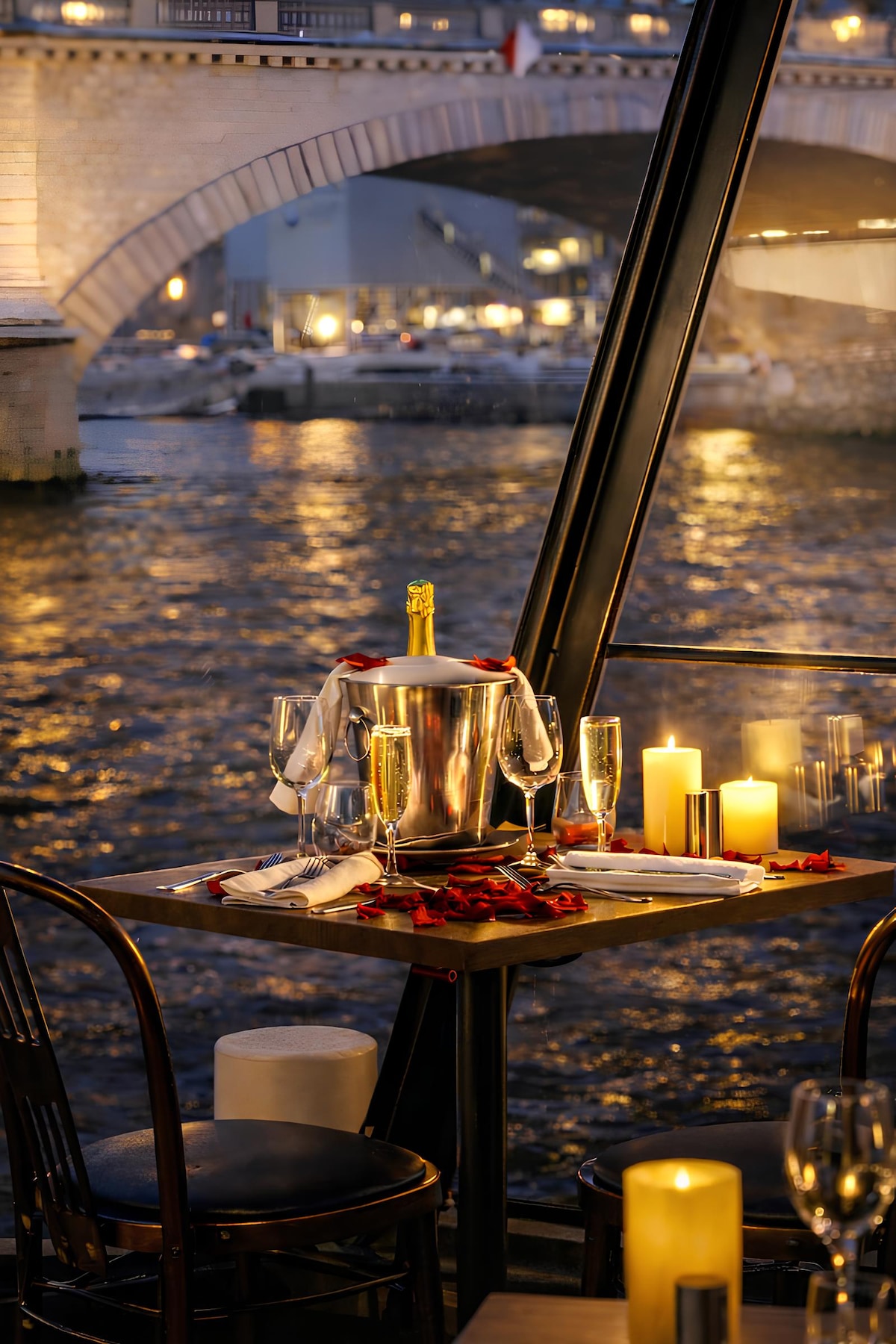

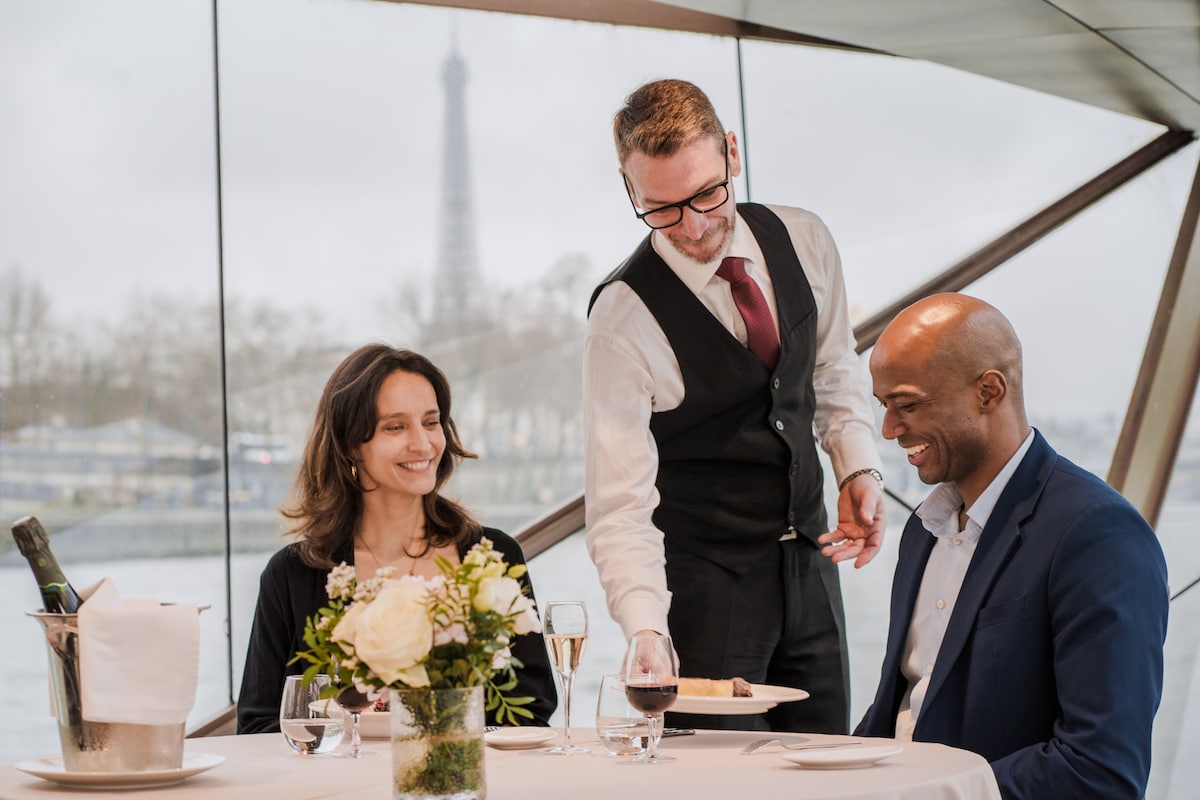
About dining in Paris
The first modern restaurant opened on Rue de Richelieu in 1782, and Paris has shaped how the world eats ever since. In 2010, UNESCO recognized French gastronomy as part of its Intangible Cultural Heritage list. Today the city holds over 100 Michelin-starred restaurants and roughly 44,000 places to eat across its 20 arrondissements.You can start the morning with an espresso at a corner cafe, enjoy a bistro lunch of duck confit and tarte Tatin, and end the evening at a wine bar pouring natural vintages alongside charcuterie and cheese. Visit the Marché des Enfants Rouges—the oldest surviving covered market, founded in 1615—or the falafel shops on Rue des Rosiers. You’ll find dining in Paris tells you as much about the city as any sightseeing tour.
Top highlights for your visit

Neighborhood bistros
Classic bistros serve seasonal, home-style French dishes, like beef bourguignon and duck confit, in intimate rooms. Each arrondissement has its own favorites, so you can eat like a local no matter where you stay.

Covered food markets
Marché des Enfants Rouges, the oldest covered market in Paris, which opened in 1615, packs Moroccan tagines, Japanese bento, Italian pasta, and French crêpes into a single hall. Marché d’Aligre in the 12th arrondissement offers fresh produce, cheese, bread, and flowers at some of the city’s lowest prices.

Fine dining and tasting menus
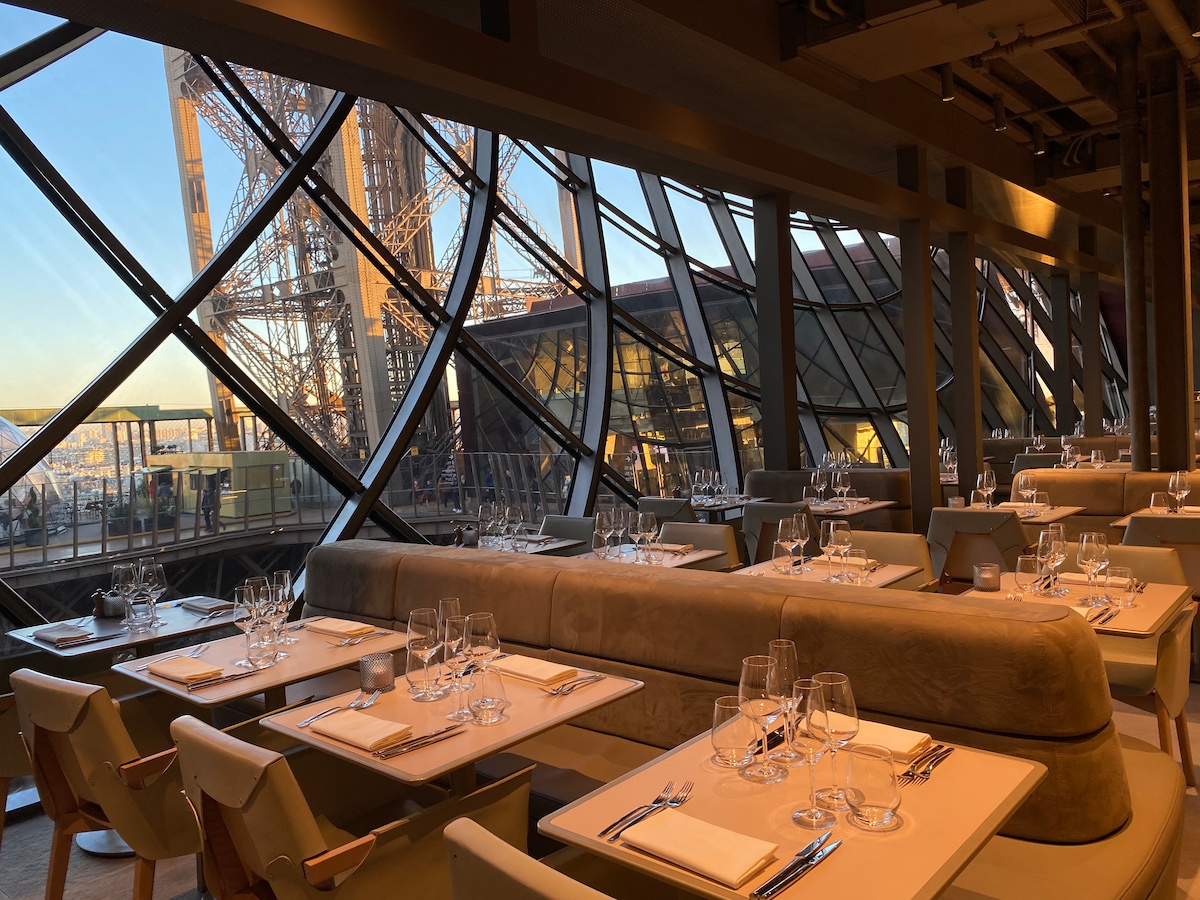
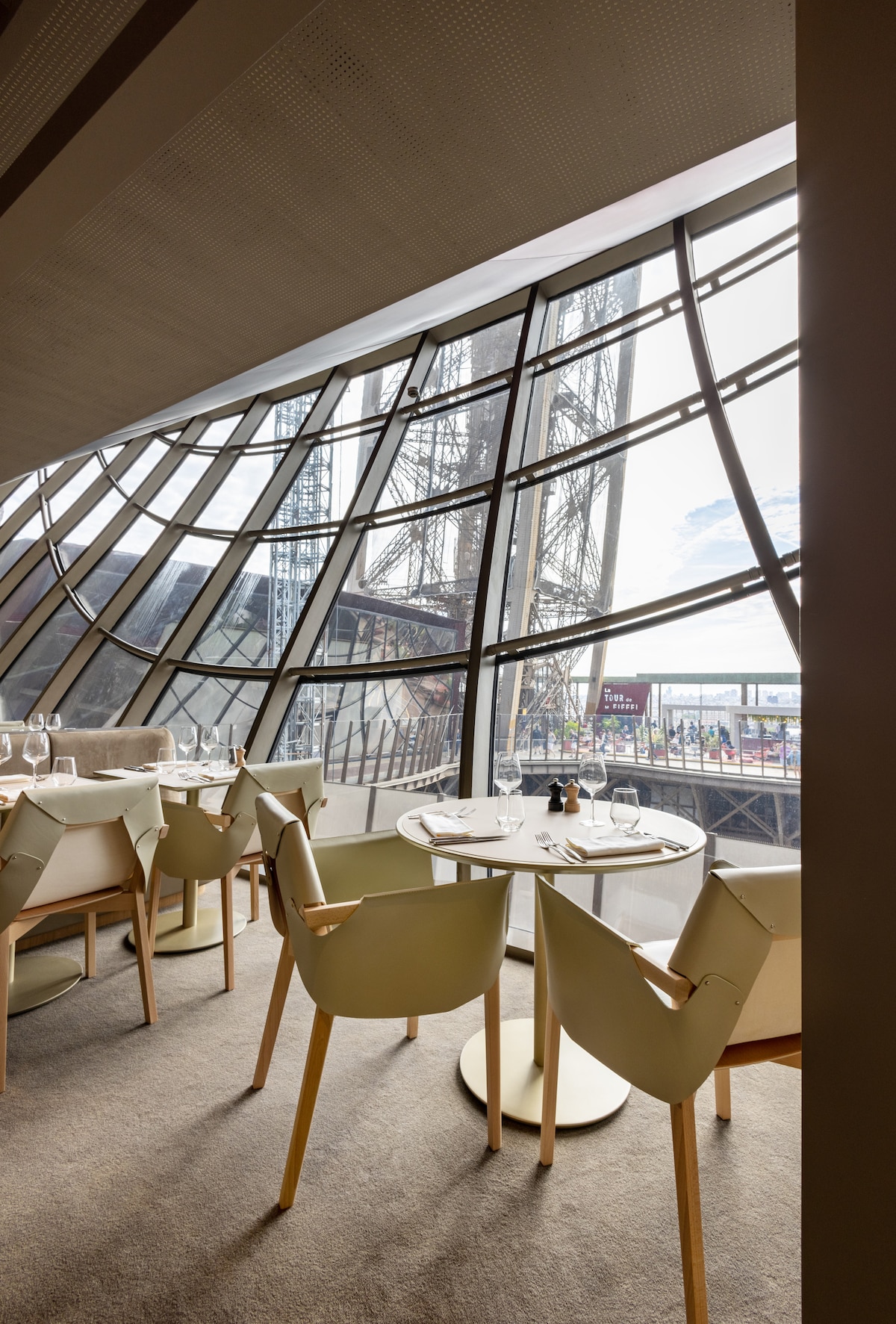
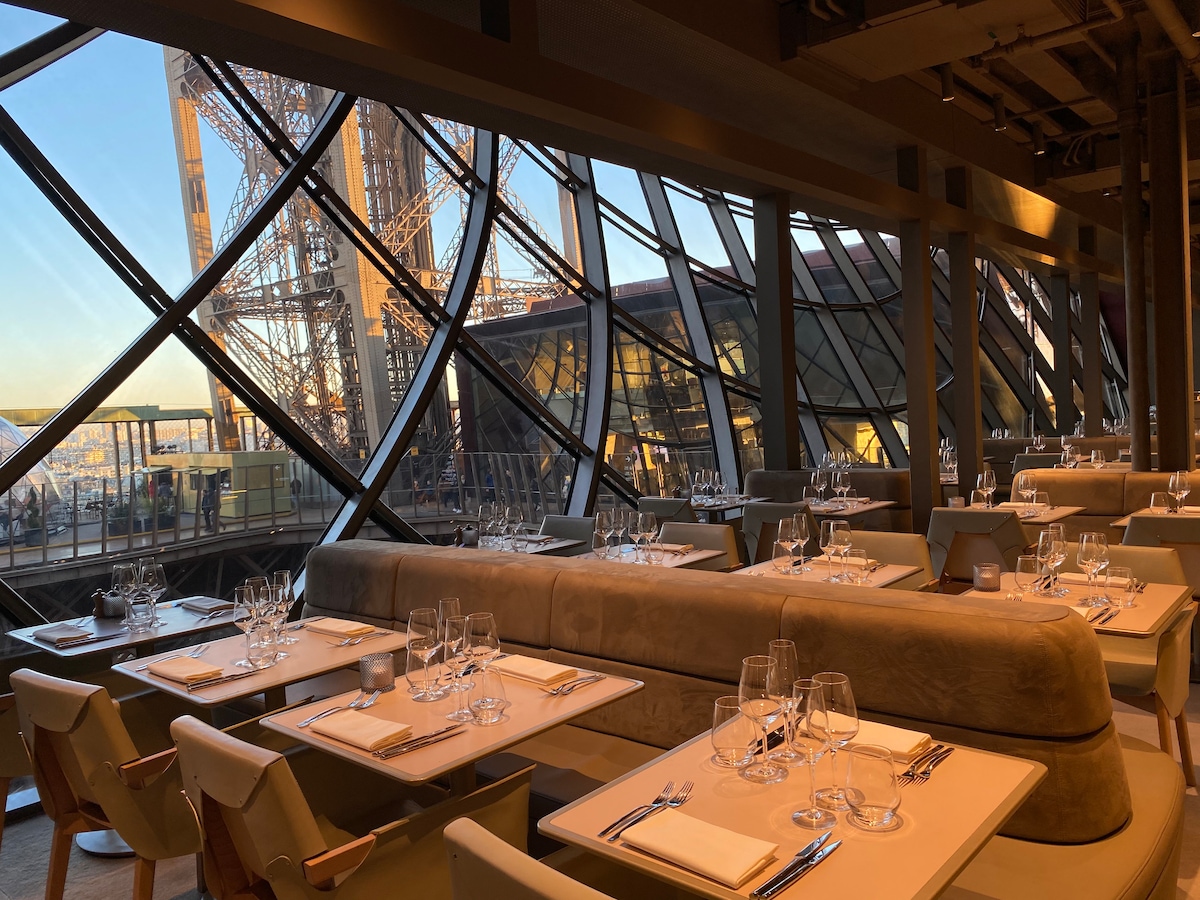
Paris is home to more than 100 Michelin-starred restaurants, including Le Jules Verne, 410 feet above the city on the Eiffel Tower’s second floor. Tasting menus start at about $100 per person and can reach $400 or more per person.

Wine bars and small plates
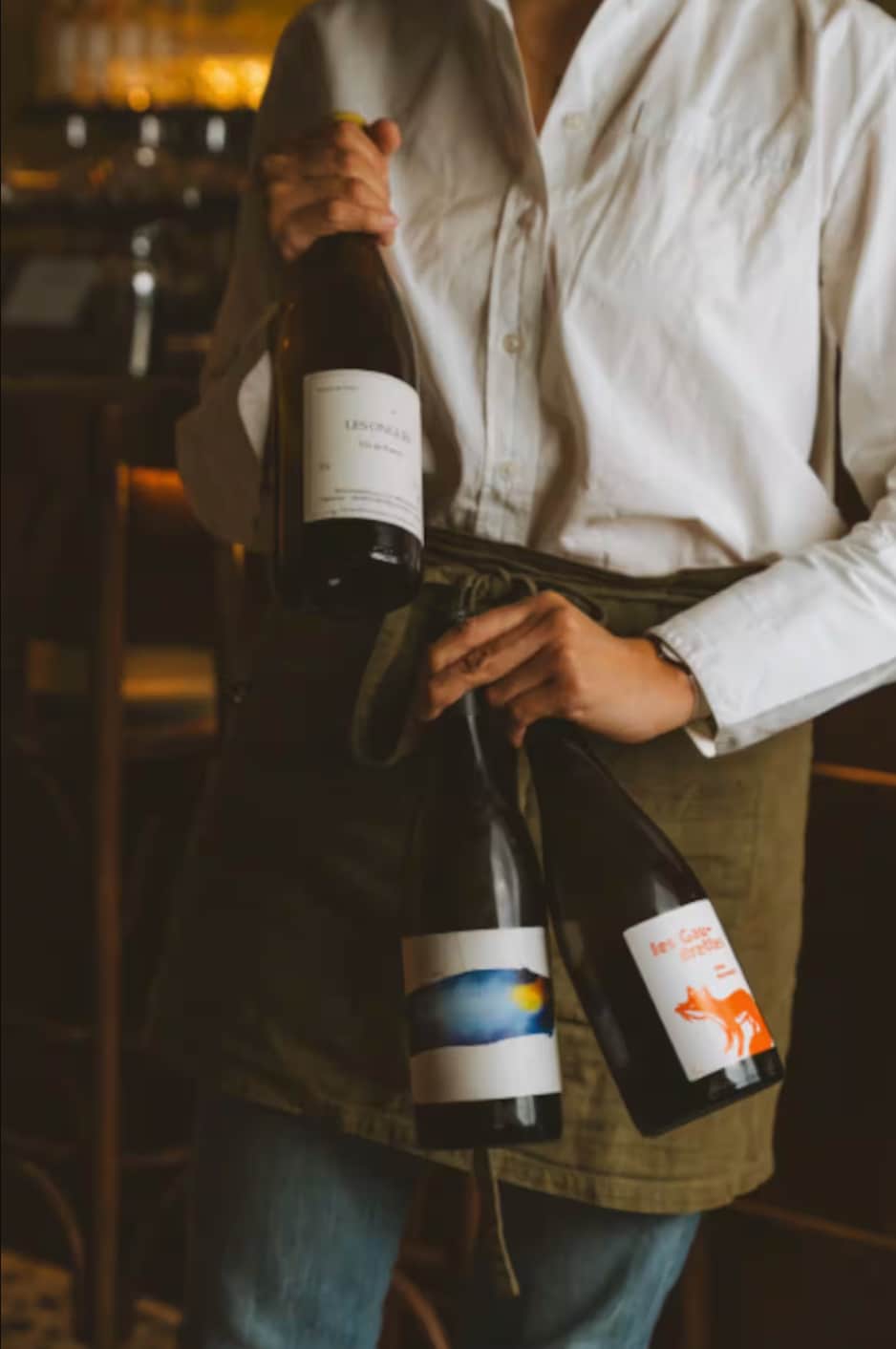
Wine bars across the city pair natural and biodynamic wines with charcuterie, cheese, and seasonal dishes. Most don’t require reservations, making them a relaxed way to explore French wine without the formality.
Restaurants in Paris FAQs
What should you eat in Paris?
Start with the classics. Bistro staples like duck confit, beef bourguignon, and tarte Tatin are served across the city. For a lighter meal, stop by a brasserie for steak frites or an oyster platter, and finish with a croissant or pain au chocolat from a neighborhood bakery.
What are the dining rules in Paris?
Saying “Bonjour” when you walk into a restaurant goes a long way. Wait to be seated by your server, place bread directly on the tablecloth rather than on a plate, and say “l’addition, s’il vous plaît” when you’re ready for the bill. Service in Paris moves at a slower pace by design, so settle in and enjoy the conversation.
How much is dinner in Paris?
It depends on where you go. A bistro lunch menu often starts in the $15 to $25 range. A mid-priced dinner for two with wine typically costs about $80 to $120, while fine dining tasting menus can start as low as $100 and go higher than $400 per person.
Is $1,000 enough for a week of dining in Paris?
It can work with some planning. Budget around $15 to $25 per meal at bistros and cafes, and explore affordable covered markets like Marché d’Aligre for fresh produce and prepared food. Wine bars with small plates are another way to eat well without a large bill.
Do you tip at restaurants in Paris?
You don’t have to. Service is included in every restaurant bill by French law. Leaving a few euros on the table for exceptional service is a kind gesture, but it’s never expected.
Should you book restaurants in advance?
For popular spots, yes. Book 2 to 4 weeks ahead for weekend dinners and Michelin-starred restaurants. Brasseries, cafés, and wine bars are more relaxed and usually welcome walk-ins.
What is the “fait maison” label?
It’s a sign of quality. The “fait maison” logo on a menu means dishes are made in-house from raw ingredients. French law introduced the label to help diners identify restaurants that cook from scratch.
Where are the best food markets?
Paris has great ones across the city. Marché des Enfants Rouges in the 3rd arrondissement is the oldest covered market in Paris, open since 1615, with stalls serving food from around the world. Marché d’Aligre in the 12th arrondissement is one of the most affordable daily markets for fresh produce, cheese, and bread.
What is terroir in French food?
It’s the flavor of the land. Terroir is the French concept linking a food’s taste to the specific soil, climate, and geography where its ingredients were grown. It explains why a cheese or wine from one region tastes different from the same variety made elsewhere.
Things to know before visiting restaurants in Paris
Entry
- Lunch runs from 12:00 PM to 2:00 PM daily.
- Dinner service starts at 7:30 PM in most spots.
- Many restaurants are closed on Sundays or Mondays.
What to bring
- Comfortable shoes for walking between neighborhoods.
- A light jacket for open-air market visits.
- Some cash for tips and market purchases.
Important information
- Wait for your server to seat you at the table.
- Service is included in your bill by French law.
- Say “l’addition, s’il vous plaît” for the check.